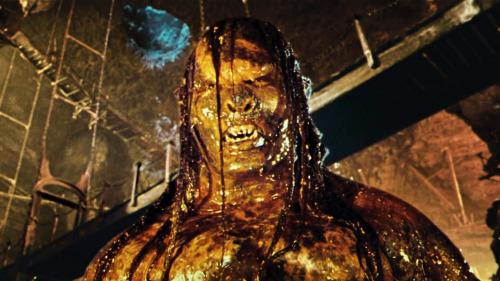
I have always disliked the common fantasy stereotype of Elves. You know them, the immortal, high-magic, wise and nature-loving Tolkien-guys. In literature, they come off as boring, all-powerful Dei Ex Machinae. Why bother with the struggles of Aragorn and Frodo if Legolas and Elrond and Galadriel can lift their pinky and accomplish more. Yes I know, Tolkien's Elves are a fading race and they can't use their magic because Sauron will devour their souls or whatever. But seriously, look at this guy:
 |
| Hit them with your best shot. |
Anyway, the originally Nordic Elves-as-spirits-of-light by way of Tolkien's immortal warrior-wizards were ported onto early D&D and since then fantasy has been stuck with them. But I don't buy them. As a roleplaying race, they are impossible to play. Many Elf characters I have met during my time behind the screen were simply older, more magical and pointy-eared humans. That goes for Greyhawk Elves or Faerun Elves or Dragonlance Elves. The DARK SUN campaign setting managed to
reconceptualize Elves as shorter-lived, tall, lanky, impossibly fast thieves. But these were EINO - Elves In Name Only. They might as well have been called Flumkin; the racial name was the only recognizable aspect of Dark Sun's Elves.
That said, there are a few fantasy settings that have taken the Nordic/Tolkienish/Gygaxian concept of D&D Elves and taken them in new directions.
Warhammer
By far the oldest of the settings beside Greyhawk, the Warhammer World (may it rest in peace, in Games Workshop's new Age of Sigmar gameline this setting has been destroyed) was actually a twist on the old and tried fantasy concepts. Dwarves were miners and smiths but also
mohawked rage-fighters. Orcs were savage warriors but also possessed by a magical energy that manifested itself through combat (
WAAAGH!).
The Elves of the Warhammer World at first glance are similar to Tolkienish/Gygaxian stereotypes. But when you take a look beneath the surface, remarkable complexity is revealed. Yes they are a dwindling race of Chosen People. Yes they are Arrogant Bastards who know what is best for humanity. Yes they are the original practitioners of magic.
But they also are the setting's Atlantis expy, have a vaguely feudal Japan-vibe, and trapped in medieval stasis.
The grimdark space-fantasy equivalents, the Eldar of Warhammer 40K, are even more twisted. Their race is dying because an entire demonic Chaos God was born from the Eldar's collective sins. Since then, they seek to escape death and become immortal for fear of their souls being devoured by said Chaos God.
Birthright
This underrated, unappreciated late-2nd Edition era D&D setting actually presents standard fantasy Elves as fairly creepy and scary. Elves were the original inhabitants of the main continent, Cerillia. Over centuries of human colonization, the Elves were driven to the edges of the continent and deep into its wildernesses. As a result, Elves hate humans. One of the main Big Bads of the setting, Rhuobe Manslayer, is an Elf who regularly organizes Wild Hunts to harry mankind.
Interestingly, in keeping with the stereotype, the Elves of Birthright were also the original practitioners of magic. In Birthright, arcane magic comes from the land and wild, undespoiled places. Human civilization weakens the flow of natural magic and as the land becomes more developed, magic diminishes. Not so in the domains of the Elves. Elven cities, like Feng Shui, are built in accordance with the flow of magic. As such, development of Elven realms never diminishes its magic rating. This is, in my opinion, a unique twist on the use of magic and why Elves are so good at it. By the way, there are no Elven Clerics in Birthright.
Eberron
The Eberron setting, developed for D&D 3.5, reconceptualized Elves as the familiar immortal wizard-fighters but, again, put a new spin on familiar tropes. Eberron's creator, Keith Baker, puts the Elves'
relationship with death center-stage. Elves are split into a number of cultures. The Elves of Aerenal seek to transcend death, bonding with positive energy to live and counsel into eternity. They are creatures of dedication, infinite time to learn, and tradition. The Elves of the Tairnadal seek to emulate the great deeds of their ancestors, seeking to channel their ancestors through their actions. Other Elves turned to darker arts and invented the discipline of necromancy.
What I find interesting that Baker takes established tropes - such as the high-magic skill and immortality - and twists them around. Yes, the Elves are long-lived but they can only become immortal by bonding with deathless energy or emulating their ancestors. Yes, the Elves are high-magic but they learned their magic while rebelling against the Giants of ages past.
Space Elves
Ultimately, I want my Elves to be - you know -
Elves! Not just long-lived humans. Not just pointy-eared expies of the players. Elves should be mysterious, alien even.
So what if, in my campaign, Elves are, in fact, alien? What if they came to the campaign world from some place in the Great Dark Beyond, fleeing some abhorrent menace that they themselves created? What if the Elves that settled on this world are, in fact, using its natural sources of magic for their own ends? What if these Elves are the last remnant of a dying race, even further pushed to the fringes of civilization by human conquerors? What if the more traditional among them have radicalized in the face of their hardships and developed a means to transcend mortality? What if the new generation - the PC's generation, the generation that has been born on this world - seeks completely different goals than their fathers who fled to this world?
That would be an interesting take on Elves I think.