maandag 5 februari 2024

Lore24 - Heading into Faction February - the Golden Throne

 I'm hopelessly behind on Lore24-entries. While starting off strong in January, home stuff and work stuff intervened and slowed down my posting. So this week, expect a few larger articles to appear on this blog to make up for that loss.

Looking back on the entries for January, all these posts are kind of "foundational", laying the groundwork for the worldbuilding to come. I have been calling it "Genesis January". Entries on the various cultures and peoples of Aedes (the name of the world), some historical background on the origin of the Sovereignty (the name of the federation/empire of humankind dominating the campaign area), and a smattering of religious lore. As this project continues, eventually I will compile the entries in a sort of encyclopedia or index page. 

If last month was "Genesis January", this month will be "Faction February", with details on the various groups, organizations and blocks vying for power and influence both in plain view of and behind the Golden Throne, as well as the people that comprise them.

So as we head into Faction February, let's start off with that centuries-old institution itself:
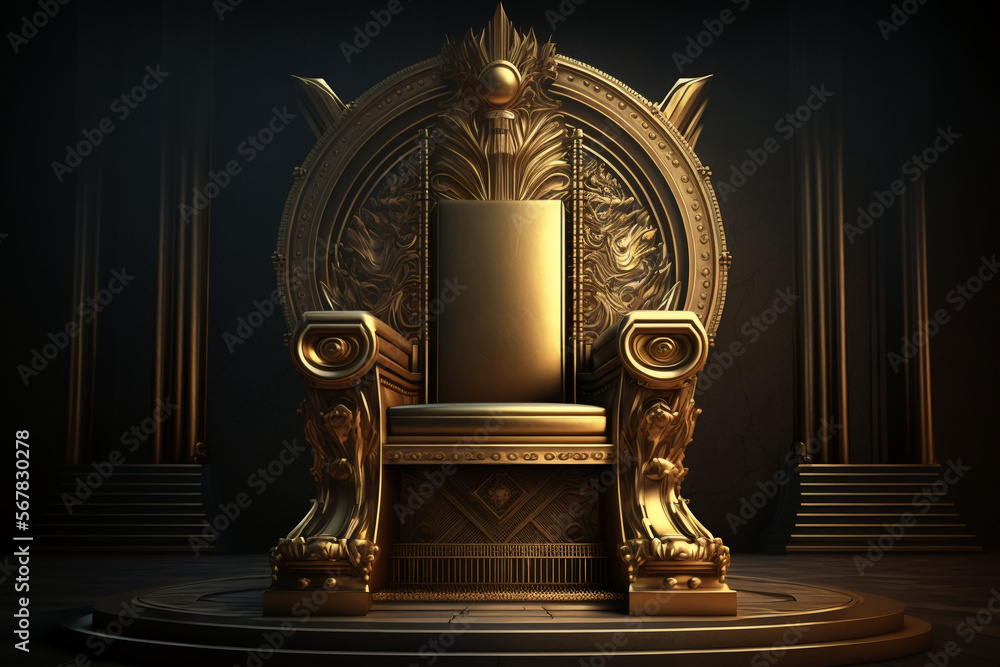


The Golden Throne

When humankind fled the Fallen Lands, their former Paradise, in the Exodus, the central gathering point for their people was the colony of Aurora. Rising from the eastern shores of mostly untamed land, this city was already a refuge for adventurers, explorers, hustlers and outcasts. Now, the best and the brightest, the heroes of humankind, led their followers here, guided by the Word of Phaeton.

The wisest and most influential of these was Claudus, a devout ecclesiarch of Phaeton and a self-proclaimed visionary. He and his followers claimed a complex of villas on a high hill overlooking the eastern bay and set about restructuring it as a fortified palace. In these dark times following the Exodus, humans from all across Aedes looked for sanctuary, which they found in and around Claudus' palace.

It was there that Phaeton himself appeared to Claudus and his nine most faithful fellow ecclesiarchs. The golden angel radiated law and order, proclaiming that "From this day, to the Last Day, a King of Kings shall rule over these lands." The golden one vanished, and in the place where a moment ago He spoke from, a golden throne now stood. That moment, a millennium ago, marks the start of the Sovereign Calendar.

It is Ecclesiarchic Doctrine that the one seated on the Golden Throne is the direct representative of Phaeton to humankind, His archpriest and His regent. Claudus was the first such Sovereign, and his nine faithful went on to found the first new kingdoms of humankind, each paying respect and homage to the Golden Throne.

Ever since, with the rise and fall of kingdoms, ecclesiarchic principalities, duchies and independent realms, the Golden Throne has stood at the center of an ever-expanding and increasingly complex web of dependencies, fealty, loyalty and might. It is the literal seat of power, granting legitimacy to not only the Sovereign of Aurora but all kings across the Sovereignty. It is the apex of the feudal pyramid, the source of law and the seat of the King of Kings.

In addition to this, the throne itself is believed to be a powerful artifact, imbued with the power of Phaeton Himself. Though none can agree on what kind of spells are woven into it, it is a fact that when seated on the Golden Throne, the Sovereign of Aurora is wreathed in a celestial aura unparallelled elsewhere.

As such, the Golden Throne is a highy coveted prize, the greatest in the land. Kings, High Ecclesiarchs, warlords and wizards have vied for the right to sit upon it. The Sovereignty has had its fair share of insurrections, palace revolutions and court intrigues. The latest resulted in the overthrow of a dynasty, placing Sovereign Rauxes, King of Kings, on the Golden Throne and at the center of Sovereign politics.

zaterdag 27 januari 2024

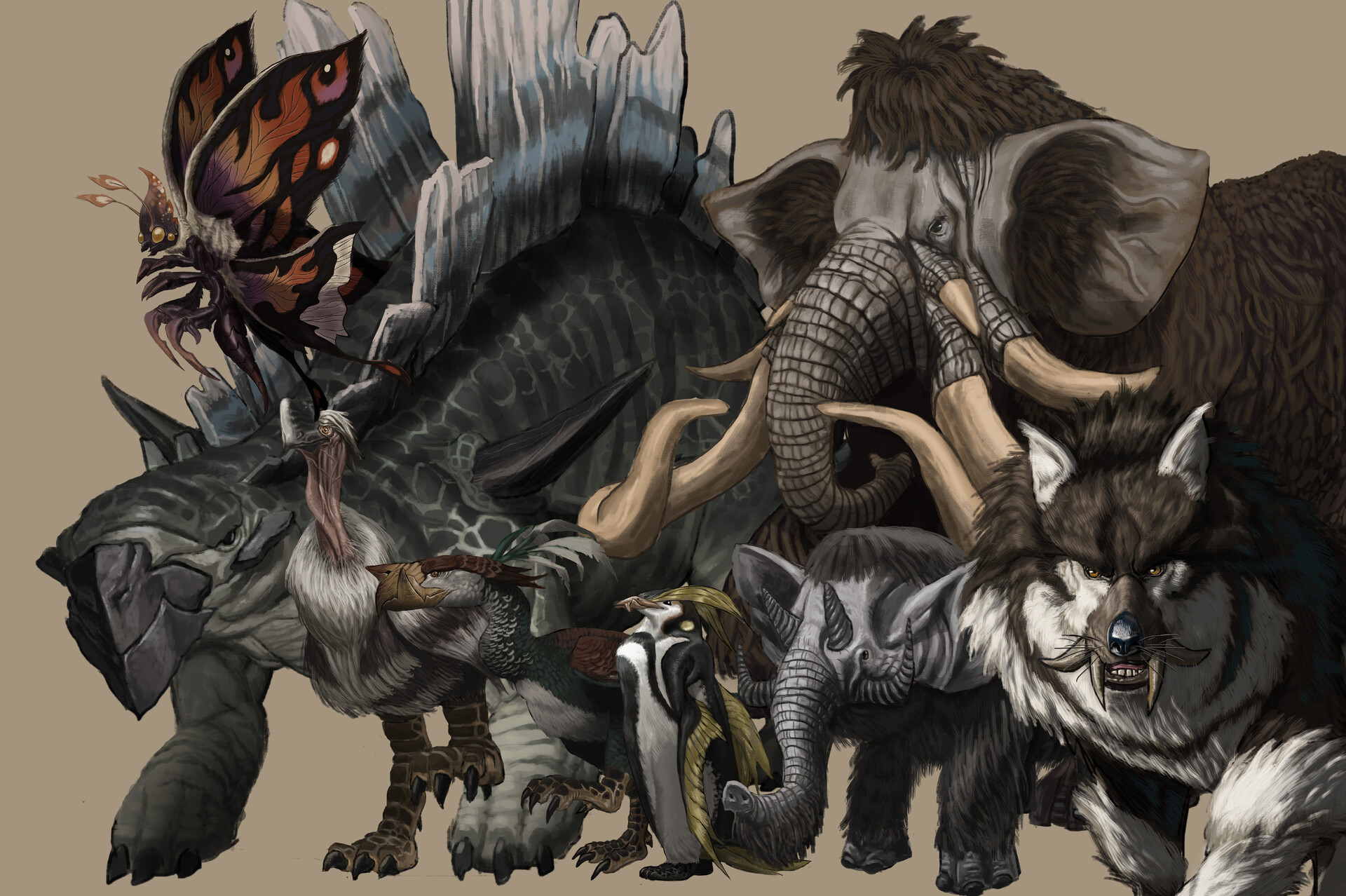
Great Beasts of Aedes - Lore24


In the Wildlands beyond the Echors, the barbarians of Borgondia claim, their great bestial ancestors roam. According to Borgondian myths, their ancestors were born of great spirits in the bodies of animals. These spirits, again, according to the barbarian myths, are the very masters of the natural world, giving shape and substance to the environment. And, if corrupted by Darkening, spreading that corruption.

In the Ecclesiarchic tradition, the Great Beasts are demonic spirits, to be banished or extinguished. But similar to dragons, these Great Beasts appear in unspoiled or ancient natural habitats. They seem to embody natural qualities, natural energies, forces of life. 

In barbarian traditions, these are the Anima by which they live their lives. In Phaetonic tradition, they are monsters that have to be driven out or killed.

donderdag 25 januari 2024

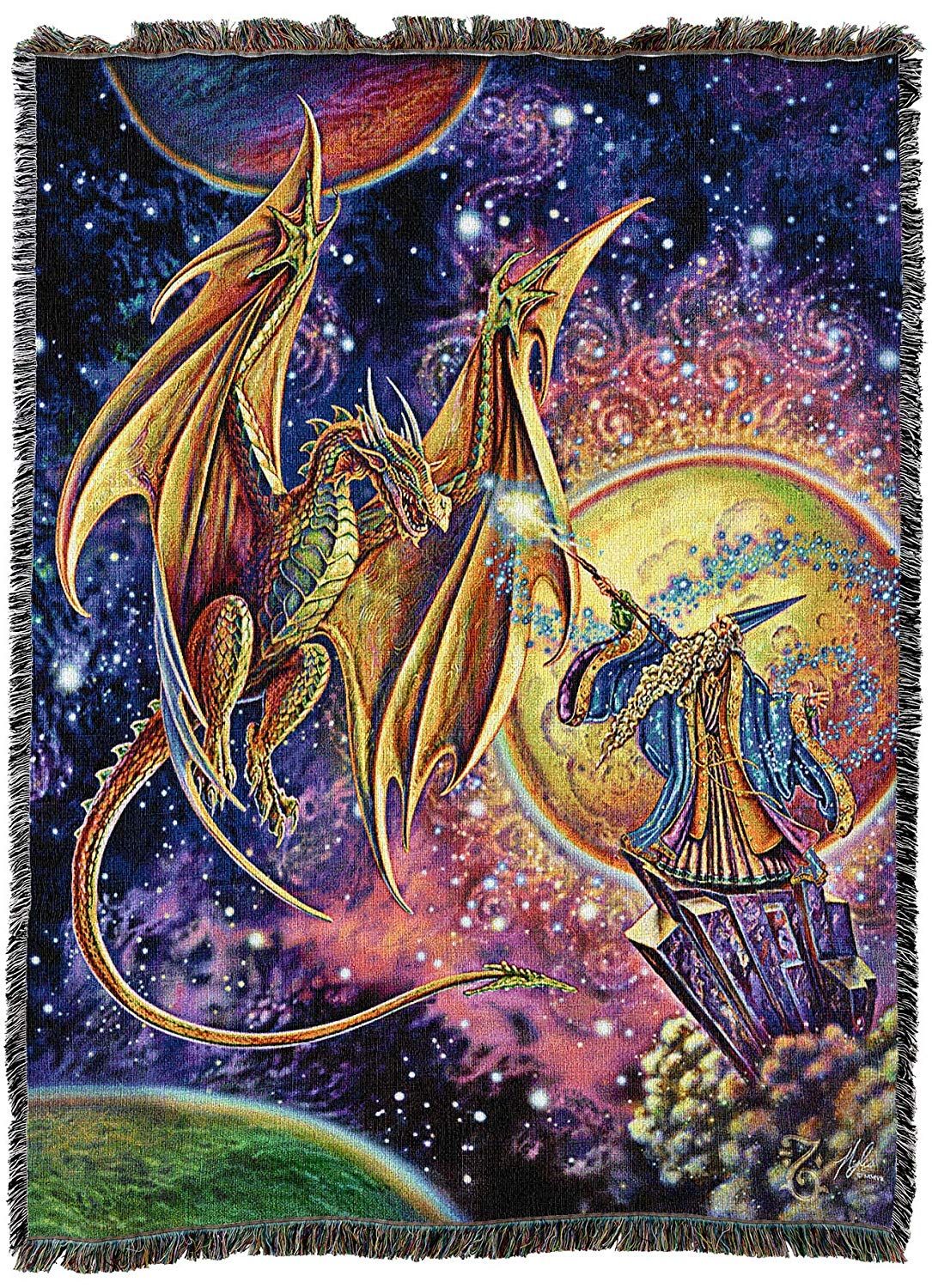
Magic made manifest: Dragons - Lore24


When the arcane force of life pools in unscathed and ancient primal lands, the magical force takes on physical form and is incarnated as a dragon. They are formed as small wyrmlings, but soon grow in size, physical strength and magical power. A dragon never stops accumulating magical essence and the most ancient archdragons are masters of both their physical form and the weaving of arcane spells.

According to Ecclesiarchic doctrine, dragons are the most vile spawn of the Mother of Monsters and must be hunted down, as they form great threats to civilization and humankind. True enough, when a dragon nests, its very presence warps the environment, changing it to suit their nature and fraying the threads of reality. A dragon with affinity for fire might cause the surroundings of its lair to develop into a volcanic wasteland, whilst a green dragon emanates energy that causes trees and plants to grow and become poisonous to humans, dwarves and elves.

Fortunately, the lands of the Sovereignty have been dragon-free since the Exodus. Occasionally a small wyrmling or youngling is discovered, recently spawned by nature. But such threats are almost always immediately eliminated.

Fully grown or larger dragons are still present on Aedes, but all of them are far from Aurora, across the Echor Mountains in the Wildlands or beyond. No living human today has ever seen a dragon. Pray to Phaeton that this remains so.

Green stuff: Goblins of Aedes - Lore24

 According to sages the word "goblin" stems from "gob-ling", a creature made from gob. True enough, goblin infestations usually involve large green pools of slime, from which these nasty and skitterish deviants are spawned. 

The slime is speculated to be the very protean arcane reagent from which life itself is born, liquid essence of the Mother of Monsters. In concentrated form, it is highly volatile and magical, leading many human warlords and mad wizards to hunt down sources of goblin infestation, to harvest their spawning slime. The slime is a key component in the weaponized wildfire, employed by the navy of Aurora. 

When left unattended, the slime spawns goblins according to the conditions. A small pool in cool environs, such as a dank cave, can spawn a few (1-4) goblins over the course of a week. Larger pools, in warmer climes, can spawn a dozen or more (3-18) goblins per day.

Goblins populations and their birthing pools are thickest beneath the Echor Mountains, in the former dwarven vaults, but recently have proliferated across the kingdoms of the Sovereignty. In the last ten years, almost all settlements in the Sovereignty have come across goblin slime pools and the cruel small creatures are becoming a pest.

woensdag 24 januari 2024

The Parliament of Spiders - Lore24


Deep within the ancient forests of Aedes, beyond the borders of gnome mushroom settlements, conclaves of sentient spiders hold sway. Within their dark and webbed confines, these spiders devour gnomes taken captive by their silken strands, and weave their conquests of the woods.

Sages have long sought to understand the motives of these "Parliaments of Spiders", as they are called, yet none have returned alive. Reports of spiders the size of bulls have been increasingly heard, some are even claimed to speak in the Common tongue of the Sovereignty. But more often, the communicate in their own language of clicks, clacks and ruffles. 

Of particular concern is their preference for gnomes. Of late, the threat of spiders around gnome hamlets has been increasing, leading fearful gnomes to call for outside help.

Gnomes, the smallfolk - Lore24


The deep eldritch glades of Aedes are not only home to reclusive elves or fey creatures, they are also home to the gnome folk. Small humanoids, three apples high and clad in pointy hats, the gnomes of the forests are claimed by dwarves to be offshoots of their people. No one knows the true origin of gnomes, only that they are intimitaly tied to nature and magic and consider spiderkind their mortal enemies.

Gnomes live in secluded hamlets, in houses constructed from giant mushrooms. They are generally peaceful and defend their settlements by misdirection, illusion magic and alliances with animals of the forest.

Relations with gnome hamlets are uncommon, the gnomes mostly keep to themselves. But that may be changing now that the population of spiders, monsters and orcs in the forests of Aedes is increasing.

Inspiration: the gnomes of Aedes are my stand-ins for halflings. I am a great fan of Tolkien but I can't find a niche for hobbits in my world. And I am always drawn to two childhood influences: Wipneus and Pim, the two little gnomes (kabouters) pictured above, and David the Gnome, an animated series. Plus: who doesn't like pointy hats?

dinsdag 23 januari 2024

Daylit Stone: the Trolls of Aedes - Lore24


After the Maker created the giants - dwarven legend goes on - and cast them out from the halls that would become Isergard, he forged the trolls. Shapes of hewn stone, more smooth and cunning than the giants that came before, smaller and more sophisticated, the Maker brought to life. And in the great halls beneath the Echor Mountains, halls that once bore the bodies of giants and titans, the trolls prospered. They built holdings, explored the tunnels below and the Darkholds beneath. For a time, the trolls were the guardians that stood between the monsters borne of darkness, and the light above. 

But as all things end, so did the short and sweet time of the trolls. Infighting and depravity, and darker impulses overcame them and soon the Maker abandoned his creations, casting them to the surface and beginning work on the dwarves. 

In the current age of humanity, with Phaeton's sunlight guiding the growth of the Sovereignty, the trolls have become a dwindling threat. When trollkind ventured forth from their subterranean halls and into the sunlight above, their inborne flaw became apparant. Not suited to the daylit radiance, they returned to stone as long as the sun shone. Only at dusk would petrified trolls return to life. With the rise of the Sovereignty, humans that encountered large statues during the day would smash these to pieces, preventing hungry and savage trolls to prey on their villages at night.